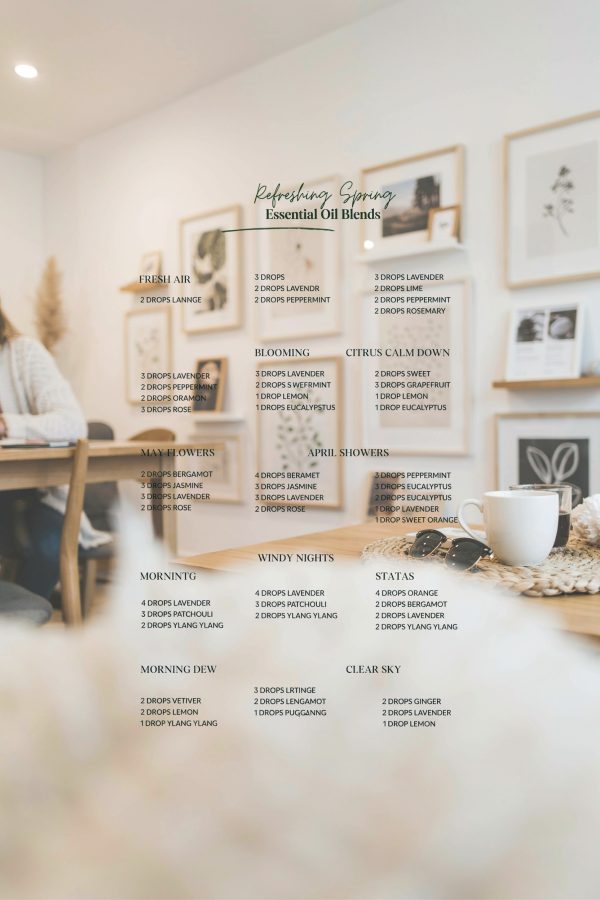
If you're tired of the heavy, spicy smells of winter and want something that actually feels like a fresh breeze, you've come to the right place. Spring essential oil blends are my secret weapon for chasing away that seasonal blah and making my home smell like sunshine and petals. I remember my first time trying to mix oils, and honestly I was completely lost. I just poured random drops into my diffuser and hoped for the best. It mostly smelled like a weird mess. But after some trial and error, and a lot of sniff tests, I found a handful of combinations that genuinely work. And the best part? You don't need any fancy training or expensive equipment. If you can count drops, you can make these blends.
This post is written for absolute beginners. I'll explain everything from what oils to buy to how to fix a blend that smells too strong. My goal is to give you practical recipes that actually smell good, not just a list of trendy ingredients. So grab a notebook and get ready to fill your space with scents that remind you of blooming gardens and fresh citrus. Let's get started.
Getting Started: What You Need for Spring Essential Oil Blends
Before you start mixing, it helps to have the right tools. You don't need a lot, but a few basics will save you frustration. First, get a good quality ultrasonic diffuser. You can find them online for under thirty dollars, and they work perfectly for small to medium rooms. I prefer the ones with a timer and auto shut off because I forget to turn things off all the time.
Next, you need your essential oils. For spring blends, I recommend starting with a small collection: bergamot, grapefruit, lavender, peppermint, lemon, eucalyptus, rosemary, and ylang ylang. These eight oils cover most of the recipes in this post. You can add others later, but this core set will give you a ton of variety.
Here is a quick list of supplies to have on hand:
- Ultrasonic diffuser (with water tank)
- Essential oils (start with 4 to 6 spring friendly ones)
- Small glass dropper bottles (for pre mixing blends)
- A notebook and pen (write down what you mix, because you will forget)
- Carrier oil (if you want to make a roller blend for skin, but not required for diffuser)
One more tip: always buy 100 percent pure therapeutic grade oils. Cheaper fragrance oils can irritate your lungs and they don't smell as natural. I learned that the hard way after a headache that lasted all afternoon. Stick with reputable brands and read the label.
The Perfect Citrus and Floral Pairings for Spring Diffuser Blends
Now we get to the fun part, the actual pairings. The beauty of spring diffuser blends is how well citrus oils play with floral and herbal notes. Citrus oils like grapefruit, lemon, and bergamot are bright and uplifting. They cut through stale air instantly. Floral oils like lavender and ylang ylang add softness and depth. Herbal oils like peppermint and rosemary provide a clean, energizing finish.
My personal favorite combination is lavender and bergamot. I use three drops of lavender and two drops of bergamot. This smells like a gentle spring morning with a hint of sweet orange blossom. It's calming but not sleepy, which makes it perfect for a home office or living room. Another great pairing is grapefruit and peppermint. The grapefruit is zesty, the peppermint is crisp, and together they create an energy boost that feels like opening a window on a cool April day.
If you want something that smells more like a garden, try mixing lemon, rosemary, and a tiny drop of ylang ylang. Use two drops of lemon, two drops of rosemary, and one drop of ylang ylang. This one reminds me of walking past a herb garden after a light rain. It's fresh, green, and just a little bit floral without being overwhelming.
3 Simple DIY Essential Oil Recipes for a Fresh Home
I'm going to share three of my most used diy essential oil recipes. These are designed for a standard diffuser that holds around 100 to 150 milliliters of water. Each recipe uses a total of 5 to 6 drops. You can double the amounts if your diffuser is larger, but start small and adjust.
Recipe 1: Sunshine Citrus Cleaner
2 drops grapefruit + 2 drops lemon + 1 drop peppermint.
This is my go to for Monday mornings when I need a kick. It smells like a freshly peeled orange with a minty twist. It instantly makes my kitchen feel brighter.
Recipe 2: Lavender Garden Walk
3 drops lavender + 1 drop bergamot + 1 drop rosemary.
This is the most relaxing spring blend I know. The rosemary adds an herbal backbone that keeps the lavender from feeling too heavy. I use this in the late afternoon to transition from work mode.
Recipe 3: Sweet Floral Breeze
2 drops ylang ylang + 2 drops bergamot + 1 drop eucalyptus.
Ylang ylang can be strong, so start with two drops. The bergamot sweetens it up, and the eucalyptus gives it a clean, slightly medicinal background. This one fills the room with a sophisticated floral scent that isn't cloying.
Remember to fill your diffuser with water first, then add the oils. I always put the drops in after the water, right before I turn it on. That helps the oils disperse evenly.
How to Make Aromatherapy Blends That Last All Day
One common frustration with diffusing is that the scent fades too fast. Aromatherapy blends can lose their punch within an hour if you use the wrong ratios or too much water. To make your spring scents last longer, you need to balance top notes, middle notes, and base notes. Top notes like citrus evaporate quickly. Middle notes like lavender and rosemary last a bit longer. Base notes like ylang ylang and sandalwood (if you have it) linger the longest.
A good rule is to use about half top notes, one third middle notes, and one sixth base notes. For example, take a 6 drop blend: 3 drops of grapefruit (top), 2 drops of lavender (middle), and 1 drop of ylang ylang (base). This ensures that after the citrus fades, the lavender and ylang ylang still carry the scent for another hour or two.
Another trick is to run your diffuser in intervals. Set it for 30 minutes on, 30 minutes off. The room stays lightly scented without overwhelming your nose, and the oils last much longer. I use the timer on my diffuser for this. If yours doesn't have one, you can unplug it manually, but I highly recommend getting one with a timer.
My Favorite Clean and Fresh Scents for Spring
I have a soft spot for scents that smell like clean laundry or a gentle breeze. For that category, I love the combination of eucalyptus, lemon, and a tiny pinch of peppermint. It feels like you just opened a window after spring cleaning. This is one of those fresh scents that also helps clear your head if you have allergies or a stuffy nose.
Another clean blend that surprised me is rosemary and lemon. Two drops of each. It smells like a spa treatment, very simple and crisp. It's not floral at all, which is great for people who find florals too heavy. I have a friend who hates lavender, and this is the blend I make when she visits. She always compliments it.
If you want a more unique fresh scent, try grapefruit, a touch of peppermint, and one drop of eucalyptus. Grapefruit has a slightly bitter edge that keeps it from being too sweet. The peppermint and eucalyptus add a cooling sensation. This is my go to for spring afternoons when I need to stay focused but still want to feel like I'm sitting in a sunroom.
Tips for Storing and Using Your Spring Essential Oil Blends
Once you find a spring essential oil blend you love, you might want to make a bigger batch. I like to mix a pre blended bottle so I'm not measuring every single time. Use a small amber glass bottle with a dropper. Add the oils in the same ratios you would for your diffuser, but scale up. For example, if your blend uses 3 drops lavender and 2 drops bergamot, make a bottle with 30 drops lavender and 20 drops bergamot. Then when you want to diffuse, just add 5 drops of your pre mix to the water.
Store your pre mixed bottles in a cool, dark place. A drawer or cabinet away from the stove and windows works well. Heat and sunlight degrade essential oils quickly, so don't keep them on a windowsill. I learned that when a bottle of grapefruit turned cloudy and lost its smell after two weeks in direct sunlight.
Also, be careful not to get oils on your skin or furniture. Essential oils are potent and can damage wood finishes or plastic. If you spill a few drops on a counter, wipe it up immediately with a damp cloth. And always wash your hands after handling oils, especially citrus oils, because they can make your skin sensitive to sunlight.
One last practical note: clean your diffuser every week. Oils can build up and create a sticky residue that affects the mist output. Just wipe the inside with a cloth and a little white vinegar, then rinse with water. Your blends will smell cleaner and your diffuser will last longer.
I hope this guide helps you feel confident about making your own spring essential oil blends. Start with just one recipe and see how it feels in your space. You might be surprised how much a simple scent can shift your mood. If you end up mixing something you love, I would genuinely love to hear about it. Drop a comment below or tag me on Pinterest with your favorite blend. Happy diffusing.
#springessentialoilblends #springdiffuserblends #diyessentialoilrecipes #aromatherapyblends #freshscents
Leave a Comment