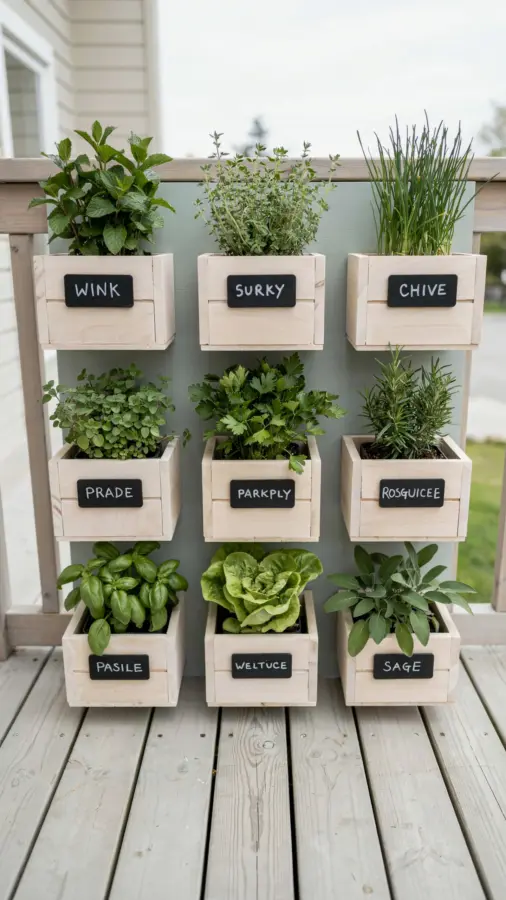
When I first moved into my apartment with a tiny deck, I felt that familiar sting of disappointment. You know the one. You dream of a lush outdoor escape, but reality hands you four square feet of concrete and a railing. I spent weeks scrolling through Pinterest, saving photos of sprawling gardens, knowing I could never pull that off. Then I stumbled onto the concept of a minimalist deck garden using stacked wooden plant crates. It looked so clean, so organized, so possible. That first weekend, I built my own version, and honestly, it changed how I use my outdoor space completely.
The beauty of this setup is that it does not require a green thumb, a huge budget, or any carpentry skills. I am speaking from experience: I can barely hammer a nail straight. But with a few crates, some sturdy soil, and a careful plant selection, I turned my sad little balcony into a calm, rustic retreat. Today I want to walk you through exactly what worked for me, so you can create your own small space garden without the overwhelm.
Why Stacked Plant Crates Work for a Small Space Garden
I tried the standard route first: a tiny plastic table covered in pots. It looked cluttered, messy, and frankly, a little sad. The moment I switched to wooden crates, everything clicked. The natural texture of the wood warms up the concrete, while the clean lines keep the look intentional. Stacking them creates vertical interest without taking up precious floor space.
For a small space garden you want every inch to earn its keep. Crates let you layer your greenery, putting taller plants at the back and trailing ones up front. Plus they are portable. I rearranged my layout three times before I found the perfect spot. You cannot do that with a built in planter. The flexibility alone makes this method worth trying.
Choosing the Right Plant Crates for a Minimalist Deck Garden
Not all crates are created equal. I learned this the hard way after buying a set that splintered within a month. For a durable minimalist deck garden, look for crates made from untreated pine or cedar. Cedar naturally resists rot, which matters when you water plants and humidity builds up. You can find them at craft stores, home improvement centers, or even secondhand from farmers markets. Just sand down any rough edges before you start.
Size matters, too. I use crates that are about 18 inches long, 12 inches wide, and 8 inches deep. That depth gives enough room for root growth without becoming too heavy to move. If you stack three crates in a staircase shape, you get a tiered display without any complicated construction. A single screw between each crate keeps them stable, but some folks just balance them. I prefer a tiny bit of security so a gust of wind does not send my succulents flying.
Plant Selection for a Rustic Outdoor Look That Stays Low Maintenance
I will be honest: I killed a lot of plants before I figured this out. For a rustic outdoor aesthetic you want greenery that looks full and forgiving, not precious and fussy. Here is what thrived in my crates without daily coddling:
- Spider plants – They handle neglect and produce little baby runners that cascade over the crate edge beautifully.
- Pothos – This trailing vine adds that soft, lived in feel. I have one that trailed three feet down the crate front after six months.
- Snake plants – Their upright leaves contrast nicely with the horizontal lines of the wood. They also tolerate low light if your deck is shaded.
- Small ferns – Boston or maidenhair ferns bring an airy, soft texture that softens the rough wood. Keep them slightly moist, not wet.
- Succulents – For the top crate, where they can soak up sun. I use a mix of echeveria and sedum for color variety.
The trick is to group plants with similar water needs. My bottom crate holds the thirstier ferns and spider plants, while the top one stays drier with succulents. That way I do not overwater or underwater everything at once.
How to Arrange Your Crates for a Clean Outdoor Living Vibe
Creating a clean outdoor living space means resisting the urge to overcrowd. I am guilty of buying too many plants and then cramming them all in. Here is what I learned: less really is more. With crates, each plant gets its own breathing room. I place no more than three plants per standard crate, and I leave a little bare soil visible. That negative space is what makes the whole arrangement feel curated instead of chaotic.
I also pay attention to color. The warm brown of the wood pairs beautifully with deep greens, silver succulents, and the occasional white flower. I add a single white ceramic pot on the top crate as a focal point. It breaks up the texture and draws your eye. Keep the palette simple, and the small space will feel twice as large.
Practical Tips for Maintaining Your Crates Over Time
Wood crates need a little love to stay rustic rather than ramshackle. After one rainy season, I noticed a few dark spots on my crates. A light sanding and a coat of linseed oil fixed it right up. I do this once a year, usually in early spring before I repot. The oil deepens the wood color and helps it repel moisture.
For drainage, I line the bottom of each crate with a layer of landscape fabric. Then I add a thin layer of gravel before the potting mix. This prevents water from pooling at the bottom and rotting the wood. I also place a shallow tray underneath the lowest crate to catch drips, so my deck floor stays dry and clean. One more thing: rotate the crates every few months if they get uneven sun exposure. Your plants will grow straighter, and the wood will age evenly.
Adding Simple Decorative Touches Without Clutter
A minimalist deck garden does not have to be stark. I like to add one or
#minimalistdeckgarden #plantcrates #rusticoutdoor #smallspacegarden #cleanliving
Leave a Comment