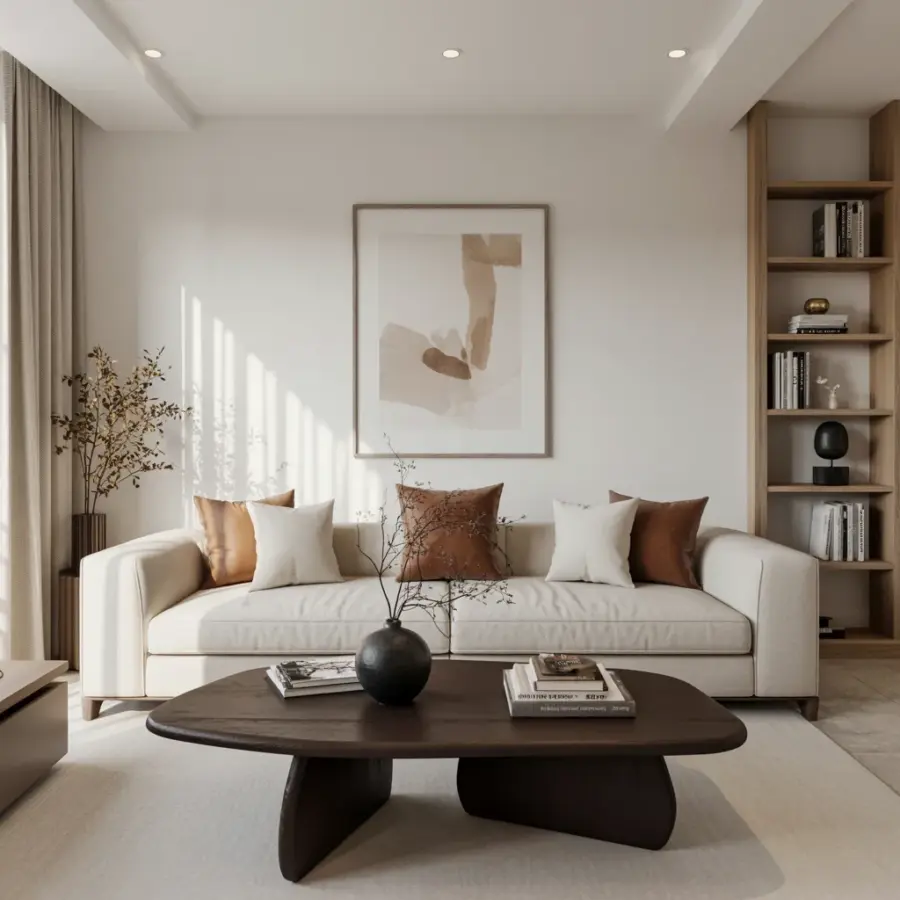
Last spring, I finally tackled the pile of old cables and random knickknacks in my living room drawer. That one small win made me crave more. If you have been feeling that same itch to simplify, minimalist home decor might be exactly what you need. It is not about owning nothing. It is about choosing pieces that earn their place by being useful, beautiful, or both. This season, as we naturally crave fresh starts, minimalist design offers a practical way to reset your space and your mind.
Start Small: Declutter One Room at a Time
The biggest mistake people make is trying to reduce everything at once. You end up exhausted and surrounded by donation bags with no clear plan. Instead, pick one room that bothers you most. For me, it was the bedroom. I cleared off the dresser, kept only the lamp and a small tray for my watch. That calm corner gave me motivation to move to the next area.
Set a timer for 20 minutes. Grab a box and fill it with items you have not used in six months. Be honest: if a decorative object collects dust but does not spark joy, it is just clutter. Declutter your space room by room, and you will see progress without burnout.
Choose a Neutral Color Palette for Calm
Minimalist decor leans heavily on neutrals because they lower visual noise. Think warm whites, soft beiges, pale greys, and muted earth tones. These colors reflect light and make a room feel larger. I painted my hallway a creamy off-white called “Cottage Shell” and suddenly the narrow space felt like a breathing gallery.
You do not have to repaint everything. Start with your biggest anchor piece: the sofa. A linen-covered couch in oatmeal or taupe instantly sets a serene tone. Add throw pillows in slightly darker neutrals for depth. The goal is a neutral color palette for calm that soothes rather than startles.
Functional Furniture That Doubles as Storage
Every piece of furniture in a minimalist home should work for its square footage. A coffee table with a lift-top or hidden compartment hides remotes and magazines. Benches with storage underneath serve as seating and shoe cubbies. I swapped my bulky entertainment unit for a slim console with woven baskets below. Now the room breathes.
When shopping, ask yourself: “Does this piece have a purpose beyond looking pretty?” If the answer is no, skip it. Functional furniture that doubles as storage keeps surfaces clear and your life simpler. This is especially useful in small apartments where every inch counts.
Embrace Natural Textures and Materials
Too many people think minimalism means cold and sterile. That is a myth. The trick is layering textures that feel organic. Linen, cotton, wool, wood, rattan, and stone add warmth without clutter. In my living room, I have a jute rug, a linen sofa, and a reclaimed wood side table. They all feel different to the touch but share a quiet earthiness.
Add one textured piece at a time. A wool throw draped over a chair. A ceramic vase with dried branches. These small touches make the room feel lived in, not staged. Natural textures and materials for minimalist home give your space soul without sacrificing the clean lines.
Keep Surfaces Clear and Intentional
Walk through your home and look at every flat surface: counters, desks, nightstands, shelves. How much of what is sitting there is actively used? Most coffee tables become dumping grounds for mail, remotes, and loose change. I instituted a simple rule: every surface can hold only three items at most. My nightstand now has a lamp, a book, and a small plant.
- Kitchen counter: keep only the coffee maker, a utensil crock, and a fruit bowl.
- Bath
#minimalisthome #lessismore #homedecor #simpleliving #declutter
Leave a Comment