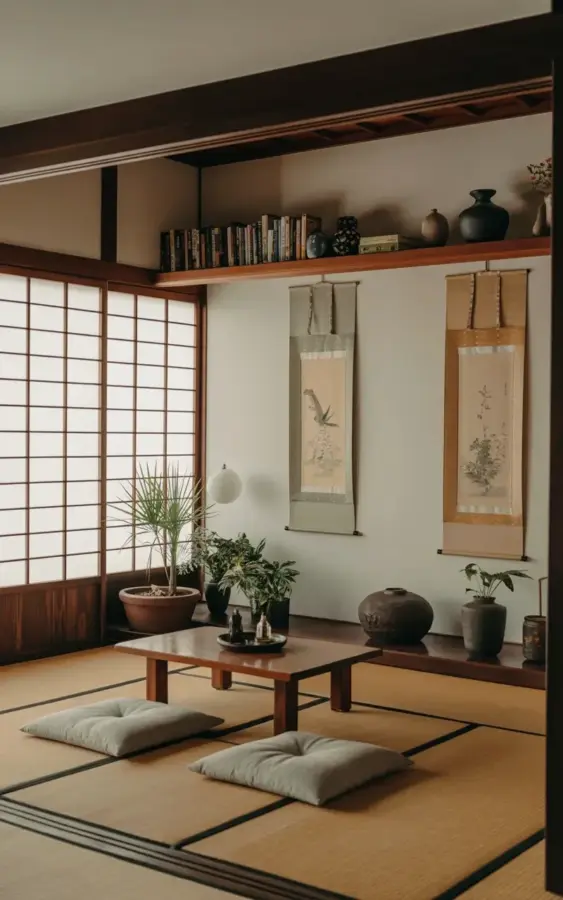
There’s a quiet pull toward the Japanese style living room that a lot of us feel, and it usually hits when our current space just feels… loud. You want that calm, grounded atmosphere, but you’re picturing a hefty price tag for authentic materials. Here’s the thing: creating a zen interior with tatami decor and a shoji screen doesn’t have to drain your savings account. You can absolutely get that serene, considered look using smart, budget-friendly swaps that don’t sacrifice the soul of the design.
I spent way too long thinking I needed to fly to Kyoto and spend thousands on reclaimed wood. Honestly, I was just overthinking it. Look, the real magic of a Japanese-inspired room is in the proportions, the natural textures, and the quality of light, not the brand name on the receipt. And after helping a friend redo her cramped rental living room on a seriously tight budget last spring, I’ve got a list of practical tricks that actually work.
Start with the Floor: Affordable Tatami Mat Options
Ok so, the floor is your foundation, literally. Real tatami mats are made from rice straw and soft rush grass, and they smell incredible. But they can also be pricey, and they don’t love moisture or heavy furniture, which is a problem if you drink coffee on the couch like a normal person. Not gonna lie, I spilled a whole mug on my first rug.
Here’s a budget-friendly compromise that looks shockingly authentic: look for tatami-style mats made from polypropylene or other synthetic fibers. They mimic the woven look and the subtle color variation perfectly from a distance, but they’re way more forgiving with spills and cat claws. If you’re renting or afraid of commitment, you can even buy individual square tatami mats and lay them out in a grid, leaving a border of your existing floor exposed. It creates a beautiful, defined area for your low seating arrangement.
Remember that photo with the beautiful custom-built shelf on the wall? You don’t need that built-in look to get the vibe. A simple low shelf or even a row of floating ledges can achieve the same effect for a fraction of the cost. The key is to keep things low and horizontal, which draws the eye outward and makes the ceiling feel higher.
Let There Be (Soft) Light: The Magic of Shoji Screens
A shoji screen is the ultimate light filter. Those wooden frames with translucent paper panels don’t just block glare; they diffuse the sunlight into this soft, milky glow that instantly makes a room feel more peaceful. It’s the difference between a bright, harsh overhead light and the gentle warmth of a lamp.
Real shoji screens are made with washi paper and solid wood, which can be expensive. But you have cheaper options. Large sliding shoji doors are a dream, but a freestanding room divider version works just as well for defining a space, especially in a studio apartment. I found an affordable one online made from paulownia wood and a synthetic paper blend that looks completely authentic. The frame is strong, but the panels are delicate, so you have to treat them with a little care. It’s not a basketball backboard, but that’s ok.
- Use a shoji screen to hide a cluttered corner or office area.
- Place one in front of a window to soften harsh afternoon sun.
- Lean one against the wall as a huge, sculptural art piece.
Embrace the Ground: Low Seating and Floor Cushions
This is where the room really starts to change shape. Lowering your seating position automatically shifts your whole perspective. You feel more grounded, more present, and honestly, it forces you to slow down. It’s hard to power through a to-do list when you’re sitting cross-legged on a comfy cushion, so you might as well just relax.
Skip the expensive imported zabuton (those square floor cushions) and get creative. I’ve seen people use big, thick outdoor floor pillows in a pinch, or even two layered yoga mats with a pretty blanket on top. For her place, my friend and I bought a few large, firm sofa floor cushions in a light gray linen blend. They weren’t labeled “Japanese” at all, but they were low, supportive, and matched the tatami chips perfectly. In the photo, those two light gray square cushions anchor the low wooden coffee table. It’s a simple arrangement, but it works so well.
The Centerpiece: A Low Wooden Coffee Table
You need a table that hovers just above the floor, low enough that you can easily reach your tea from a seated position. A massive, chunky piece of reclaimed wood is gorgeous, obviously, but your wallet might hate you. Check out secondhand stores (I found mine on Facebook Marketplace for thirty bucks), or look for a simple, unfinished wood table that you can sand and stain yourself. It’s a nice little project, and you get exactly the warmth you want.
Height is more important than width here. A table that’s too tall will stick out like a sore thumb and break the horizontal line. Around 30 to 40 cm (that’s 12 to 15 inches) is a good target. The table in the reference image is a perfect low wooden coffee table, and honestly, you can find similar styles from a million budget retailers if you search for “kotatsu” or “floor desk”. The darker ceramic vases and books on the wall shelf above are a classic Japanese touch, but they’re not a requirement for the table itself.
Wall Art and Scrolls: Bring in the Wabi-Sabi Home Vibe
Now for the walls. Directly behind her seating area, we hung two hanging scroll paintings, just like in the inspiration photo. One depicts a bird in light, airy colors, and the other has a darker, bolder ink wash. They don’t match, and that’s exactly the point. This asymmetry is a core concept in wabi-sabi home decor, the idea that beauty is found in imperfection and the natural flow of things. It’s a lovely principle to keep in mind; you’re not aiming for a perfectly symmetrical hotel lobby.
If actual scrolls are out of your price range, buy a cheap print, cut it to size, and mount it on a piece of thin foam board to give it weight. Then, take a wooden dowel, glue it to the top and bottom, and hang it with simple string. It looks genuinely custom, and it respects that minimal aesthetic.
Let’s talk about that built-in wooden shelf running along the top of the wall. In the photo, it displays books, dark ceramic vases, and decor. You can recreate this look using a simple, unstained wooden plank mounted with L-brackets. Because it sits high up, it’s not taking any valuable floor space, and it draws your eye upward to balance all the low furniture. Just don’t overload it with clutter. A few books, one nice vase, maybe a dried branch, and you’re done.
Finishing Touches: Declutter and Breathe
Alright, look. You can buy all the perfect furniture, but if your space is full of random cables and unread mail, the zen effect dies. This style of design demands a certain level of tidiness. It’s about making a conscious choice to have less stuff out in the open. Use baskets (natural fiber ones are great) to corral remotes and chargers. And, a slightly weird detail, but I’ve found that a plant with an interesting silhouette, like a bonsai or a simple monstera leaf, does more for the mood than any painting ever could. It adds that organic, living energy.
Take a breath. Notice how the light filters through your new screen. Sit on your cushion and just look at the shadows on the tatami. That sigh of relief you feel? That’s the whole point. It’s not about perfection, it’s about creating a small corner of calm you actually want to spend time in. You might not get everything perfect in one weekend, and that’s okay. Build it piece by piece as your budget allows.
Good luck with your room refresh. I hope you love how it turns out.
#japaneselivingroom #tatamidecor #shojiscreen #wabisabihome #zeninterior
Leave a Comment