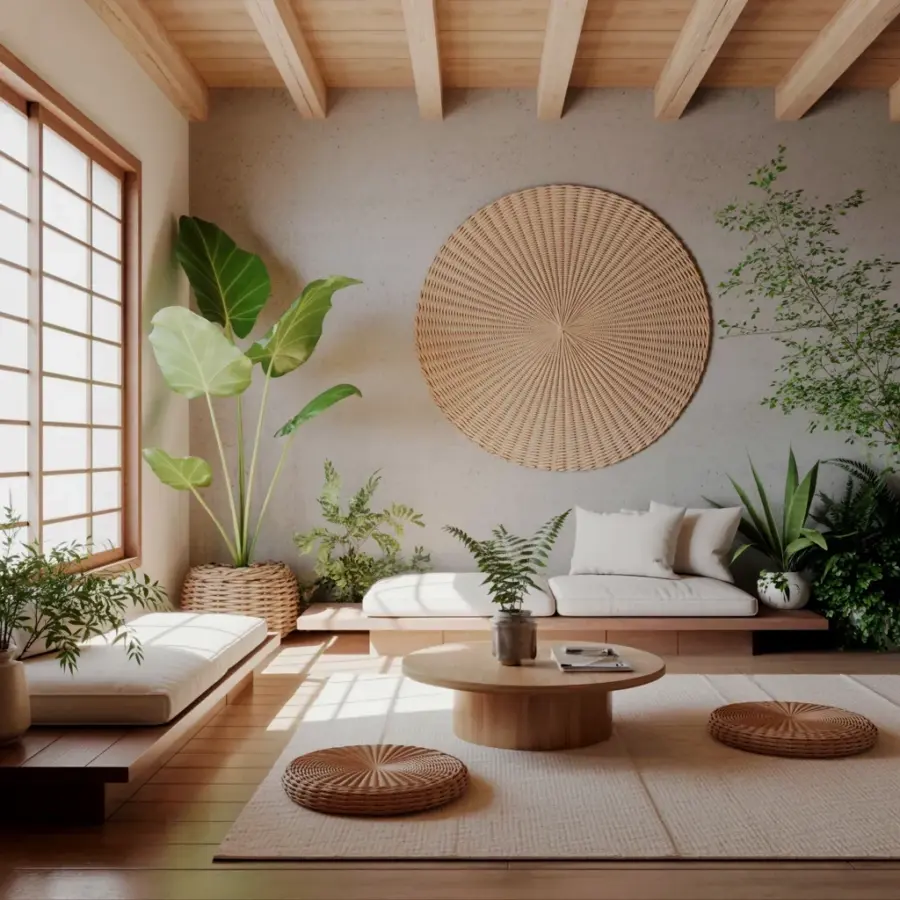
I love Scandi style for its quiet confidence, but getting the look right without a plan used to stress me out. Then I discovered how to build a minimalist moodboard for Scandi style, and it completely changed how I decorate. No more impulse buys or rooms that feel off. Just a calm, visual roadmap that keeps every decision simple. If you are ready to embrace fresh spaces without the overwhelm, this process is for you.
Why a neutral base makes or breaks your Scandi moodboard
Every Scandi moodboard I have ever made starts the same way: a clean, warm white or soft grey background. Think of it as the quiet anchor that lets everything else breathe. Without this base, even the most beautiful textures can feel noisy.
I usually pull paint swatches from brands like Farrow and Ball or Little Greene, focusing on tones with a hint of warmth. Avoid stark hospital whites. Instead, look for oatmeal, chalk, or clay tones. Once you set that foundation, the rest of the board will feel naturally cohesive.
Layering natural textures like linen and oak
After the base, I add images that show real materials. Linen, oak, wool, stone, rattan. These are the textures that give breezy living its soul. I pin close ups of slubby linen curtains, a raw oak table edge, or a chunky knit throw draped over a chair.
Do not overthink this step. Simply collect photos that make you want to touch the fabric. If an image feels too polished or shiny, skip it. Scandi style thrives on honest, tactile surfaces. Your moodboard should reflect that.
Finding calm, clutter free images that feel right
When I search for references, I am very picky about the mood. I use keywords like “quiet living room” or “minimalist bedroom with plants” rather than general interior design terms. The goal is to avoid anything fussy or busy.
Here is a quick checklist I use before pinning any image:
- Does it have more than three colors? If yes, skip it.
- Is there visible clutter or too many objects? Skip it.
- Does the lighting feel soft and natural? That is a keeper.
- Can I clearly identify one main texture? Great.
Sticking to this filter keeps my moodboard from turning into a chaotic collage. Instead, it becomes a peaceful reference that mirrors the actual feeling I want in my home.
Organizing your moodboard for a natural visual flow
Once I have around 20 to 30 images, I start arranging them. I use a digital tool like Milanote or just a simple Pinterest board. The layout matters more than you think. I place the base colors at the top, then layer textures in the middle, and finish with a few accent images at the bottom.
Group similar tones together. For example, all the whites and light greys in one cluster, then wood surfaces in another. This way, your eye moves across the board without getting stuck. A well organized moodboard feels like a calm conversation, not a shouting match.
Using your moodboard before you buy anything
Here is where the real magic happens. I never go shopping until I have looked at my moodboard for at least three days. That sounds slow, but it saves me money and regret. When I am tempted by a bright throw pillow or a trendy vase, I check the board. Does it fit the neutral base? Does it match the linen and oak vibe? Usually the answer is no.
If I do find something that belongs, I add a photo of the item to the board first. I compare it side by side with the existing pins. This quick test has stopped me from buying a dozen wrong things. It also makes the final room feel effortless, because everything was chosen with intention.
Common mistakes that mess up a minimalist moodboard
I have made plenty of mistakes, so let me save you the trouble. First, do not mix too many wood tones. Stick to one or two, like warm oak and light ash, and keep them consistent. Second, do not forget about negative space. A crowded moodboard leads to a crowded room. Leave blank areas on your board to remind yourself that emptiness is a feature, not a flaw.
Another trap is using images from catalogues that are styled with too many accessories. Real Scandi living is not a magazine spread. Look for real homes on platforms like Instagram or blogs where people actually live. Their boards feel authentic, and that authenticity translates into your space.
Why this whole process creates fresh spaces naturally
Building a moodboard this way forces you to slow down and define what you actually love, not just what is trendy. The result is a room that breathes. You end up with fresh spaces that feel open, calm, and deeply personal. I have decorated three rooms using this exact method, and each one feels more relaxing than the last.
The best part is that you can reuse the same board for different projects. Just swap out a few accent images or add a new texture. Over time, your moodboard becomes a living document of your style evolution. It grows with you.
So next time you feel the urge to redecorate, open a blank board, grab some neutral swatches, and start pinning. Let the images guide you. Trust the process. And when you finally step into that finished room, you will smile knowing every detail was chosen on purpose. Try it. You might find that a simple moodboard is the best interior design tool you never knew you needed.
#minimalism #interiordesign #freshspaces #breezyliving #scandistyle
Leave a Comment