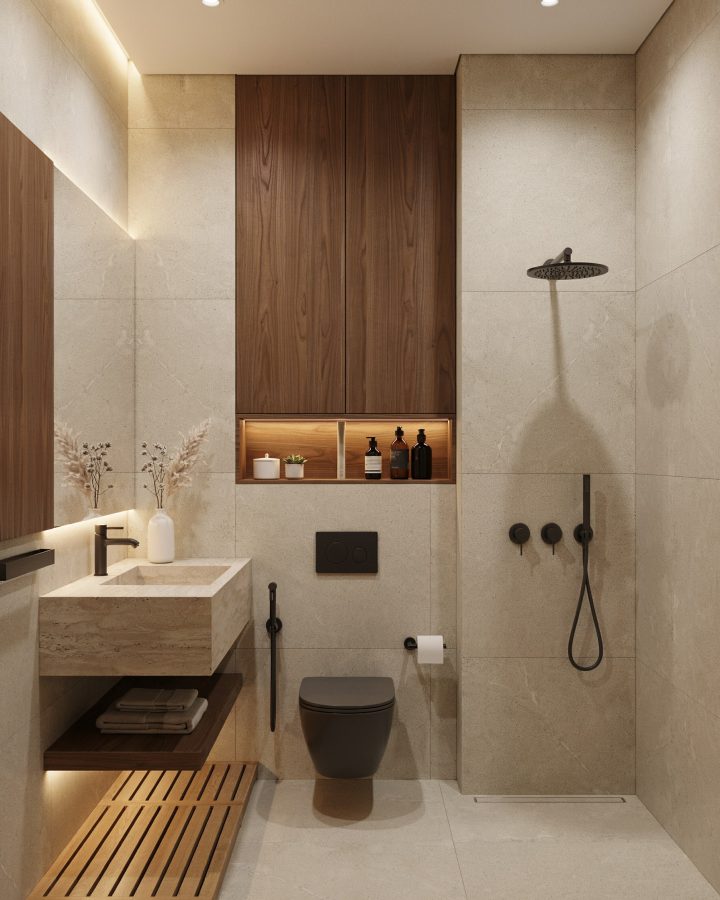
If you have ever looked at your tiny powder room and wondered how to make it feel both modern and kind to the planet, you are in the right place. I am talking about an ecofriendlybathroom makeover that works for even the smallest half bath. You do not need a huge budget or years of DIY experience. With a few simple swaps and a focus on natural textures like wood and stone, you can create a calming little space that actually helps the environment. Let me walk you through it step by step, just like I would tell a friend who is starting from scratch.
Why Choose Eco Friendly Materials for a Small Half Bath
I remember the first time I tried to green up my own powder room. I felt overwhelmed by all the choices. But here is the truth: small spaces are actually the easiest places to start being more sustainable. You need less material, less paint, and less money compared to a full bathroom.
Using naturalmaterials like reclaimed wood and real stone means you avoid the plastic and chemical laden products that fill most home improvement stores. These materials also age beautifully. A scratch or a stain on a piece of recycled wood just adds character. In a half bath, where moisture is less of an issue than a shower room, wood and stone can last for decades with simple care.
Another big reason to go this route: healthy indoor air. Many conventional bathroom products off gas volatile organic compounds. By choosing solid, uncoated wood and natural stone, you cut down on those fumes. Your tiny powder room becomes a little breath of fresh air.
Reclaimed Wood Adds Warmth Without Waste
Reclaimed wood is my absolute favorite starting point for a halfbathdecor project. It brings instant warmth and a story to the space. You can find it from old barns, dismantled fences, or even shipping pallets. Just make sure the pallets are heat treated, not chemically treated.
Here are some beginner friendly ways to use reclaimed wood in a half bath:
- Floating shelves. A single piece of salvaged oak mounted above the toilet gives you storage for extra soap and a small plant.
- Accent wall behind the sink. Use narrow planks to create a vertical or horizontal feature. No need to cover the whole room, just one wall.
- Mirror frame. If your builder grade mirror is plain, build a simple frame from reclaimed pine. Sand it lightly and seal with a natural oil.
- Small stool or corner shelf. A repurposed wooden stool can hold a folded towel or a tiny succulent.
A quick tip: always let the wood acclimate to your home for a few days before installing. Wood expands and contracts with humidity. If it comes from a cold, dry garage, give it time to adjust so your shelves do not warp later.
Stone Accents That Feel Natural and Grounded
Stone is the perfect partner for wood. It adds a cool, earthy balance and makes the room feel anchored. You do not have to install a full stone vanity. Even small accents make a big difference in powderroomideas.
Consider a soapstone or slate countertop. Soapstone is naturally non porous and resists stains, so it is ideal for a sink area. If that feels too ambitious, start with a stone vessel sink. These are widely available and sit on top of a vanity or a piece of furniture. I have seen beautiful ones made from recycled granite offcuts.
For a really easy upgrade, swap your plastic soap dispenser for a stone one. Or place a smooth river rock on the counter to hold a ring or a small dish. These little touches bring the outside in without overwhelming a small space. If you have a window sill, line it with a few flat stones. They catch the light and create a mini zen garden vibe.
Be mindful of weight. A thick stone counter might require extra support. Check your existing vanity or buy a sturdy reclaimed wood base that can handle the load. If you are renting or on a tight budget, peel and stick stone tile is an option for a backsplash. It is not as durable as real stone, but it gives a similar look with less commitment.
Organic Textiles for a Soft Touch
Textiles bring comfort and color to a half bath, but most conventional towels are made with pesticides and synthetic dyes. For a truly sustainabledesign, choose organic cotton, linen, or hemp. These materials are grown without harsh chemicals and break down naturally at the end of their life.
Look for a small hand towel and a guest towel in neutral shades like oatmeal, sage green, or soft clay. You only need one or two for a powder room. Brands like Coyuchi or Pact offer affordable options. Even better: thrift a linen towel and give it a new life. Linen gets softer with every wash.
What about a bath mat? Skip the synthetic rubber backed mat. Instead, try a washable cotton or wool rug. Wool is naturally antimicrobial and resists mildew. A small 2×3 foot rug is enough to stand on while you wash your hands. If you spill water, just hang it over the edge of the tub to dry.
One more idea: sew your own curtain for a tiny window using organic cotton muslin. It lets in light while providing privacy. Homemade touches make the space feel loved, not store bought.
Low Flow Fixtures and Water Saving Tips
Being eco friendly is not just about what you see. It is also about what happens behind the walls. Your half bath probably has a toilet and a sink. Both are opportunities to save water. This is an essential part of any ecofriendlybathroom upgrade.
Start with the faucet. Replace an old aerator with a new one that has a flow rate of 1.0 gallon per minute or lower. You can find these at any hardware store for under five dollars. They mix air with water so the pressure feels strong but you use less water. I did this in my own half bath and my water bill dropped noticeably.
For the toilet, look for a dual flush model or even a composting toilet if you are adventurous. But a simpler first step is to install a toilet tank bank. That is a bag you fill with sand or gravel and place in the tank. It displaces water so each flush uses less. You can also adjust the float valve to reduce the fill level.
Another water saving habit: keep a small pitcher or watering can next to the sink. When you wait for hot water, catch the cool water in the pitcher and use it to water houseplants. That might sound tiny, but over a year it adds up to dozens of gallons saved.
Lighting and Paint Choices That Breathe
Lighting can make or break a small half bath. Natural light is best, but most powder rooms have limited windows. If you have a window, keep the treatment simple and let the sun in. If not, choose LED bulbs with a warm color temperature (around 2700K to 3000K) to mimic daylight.
For fixtures, look for vintage or salvaged sconces. Thrift stores and architectural salvage yards often have old brass or iron lights that just need a new cord. They add instant character and keep metal out of landfills. If you buy new, choose fixtures made from recycled metal or certified sustainable wood.
Paint is another area where you can make a big impact. Most standard paints contain chemicals that are bad for you and the planet. Opt for zero VOC or low VOC paint. Brands like ECOS Paints and BioShield make beautiful colors from natural pigments. For a half bath, even a single quart is enough to paint the walls if the room is small.
I suggest a light, earthy tone like warm white, pale clay, or soft moss green. These colors pair beautifully with naturalmaterials like wood and stone. Dark colors can make a tiny room feel even smaller, but a light neutral keeps it open and airy. If you want a bold accent, paint just the ceiling or the inside of a cabinet with a deeper shade.
Putting It Together: A Simple Step by Step Plan
Now you have all the pieces. But where do you start? If you feel overwhelmed, here is a beginner friendly order of operations for your halfbathdecor project. I have done this myself and it works.
- Declutter and assess. Remove everything from the room. Decide what you truly need: one hand towel, one soap dispenser, maybe a small plant. Less stuff equals less waste.
- Paint first. Empty walls are easier. Choose your low VOC paint and do two thin coats. Let it cure for a day.
- Install the wood accent. Whether it is a shelf or a wall feature, do this before you add furniture. Measure twice, use a level, and screw into studs if possible.
- Swap the sink and fixtures. If you are installing a stone vessel sink or a new faucet, this is the time. You might need a plumber, but many modern faucets are designed for easy DIY.
- Add the stone touches. Place your stone counter or stone accessories. If you are using stone tile, apply it now.
- Hang the mirror and lighting. Make sure all electrical work is done by a professional if you are unsure. But swapping a sconce is often a straightforward job.
- Bring in textiles and finishing touches. Fold your organic towel, set out your stone soap dish, and place a small plant like a pothos or snake plant. They thrive in low light and clean the air.
Take your time. You do not have to do everything in one weekend. Even one small change, like swapping your plastic soap dispenser for a stone one, is progress. Celebrate each step.
Creating an eco friendly half bath does not have to be complicated or expensive. Start with one material, maybe a piece of reclaimed wood or a stone soap dish, and see how it makes you feel. I think you will be surprised at how much calm and character these natural choices bring to a tiny room. Once you taste that, you might find yourself looking at your whole home with fresh, green eyes.
If you try any of these ideas, I would love to hear how it goes. Drop a comment below or tag me in your photos. Small changes add up, and your powder room can be a beautiful example of sustainable living.
#ecofriendlybathroom #halfbathdecor #sustainabledesign #naturalmaterials #powderroomideas
Leave a Comment